

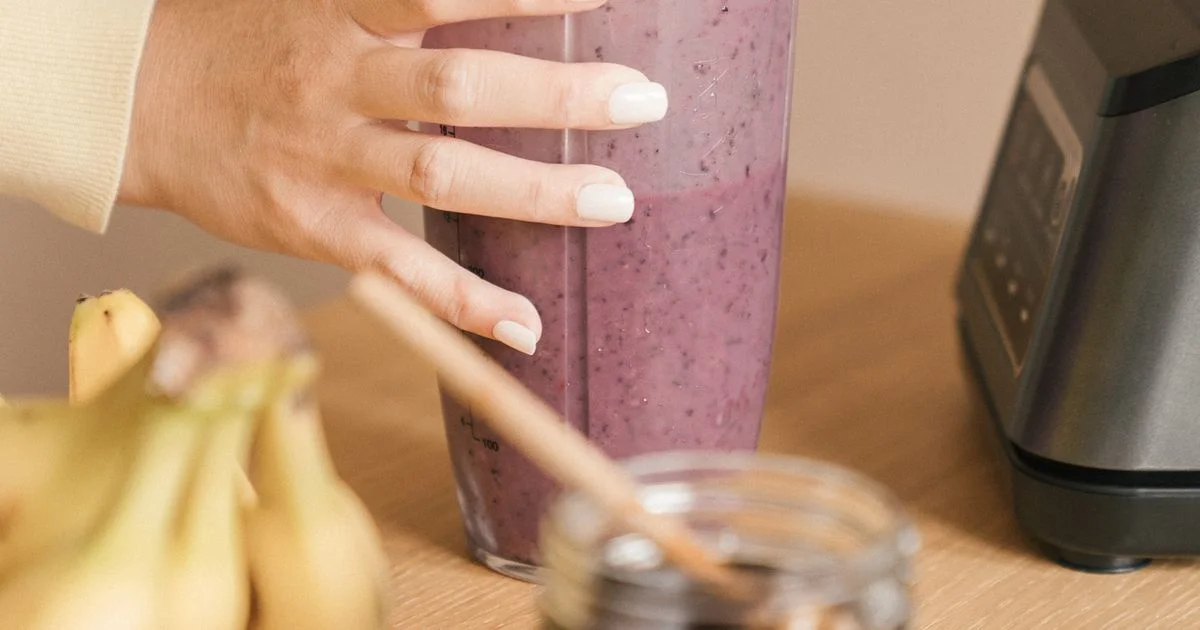
A countertop blender is loud, takes up counter space, and means washing a giant pitcher for one smoothie. The best portable blender for smoothies solves all three problems at once — it blends directly in the cup you drink from, runs on a rechargeable battery, and is small enough to toss in a bag. This guide breaks down what actually separates a good one from a glorified milkshake cup, and which model fits your budget and your blending habits.
Key Takeaways
- USB-C rechargeable models charge faster and are easier to top off with a phone charger than older micro-USB designs.
- Battery capacity is usually measured in blends per charge, not minutes — expect anywhere from about 15 blends on a budget model to well over that on premium ones.
- Blade strength matters more than motor watts on the spec sheet — a portable blender that can’t crush ice will struggle with frozen fruit, the whole point of most smoothies.
- Dishwasher-safe parts save real time; hand-wash-only cups get skipped some mornings, which defeats the purpose of a quick blender.
- A leakproof sip lid isn’t a nice-to-have — it’s the difference between a blender you take in the car and one that stays on the counter.
Best Portable Blender for Smoothies: The Short Version
The short answer: if you want the cheapest way in the door, the BlendJet 2 covers basic smoothies for around $27 and recharges over USB. If you want something closer to a real blending experience with dishwasher-safe parts, the Ninja Blast Portable Blender is the better daily driver. If you blend daily and want the most capable motor and largest cup, the Beast GO Cordless costs more but handles ice and frozen fruit the most convincingly of the three.
USB Rechargeable Blender Review: What Changed From Older Models
Early portable blenders charged over slow micro-USB ports and needed hours to refill. A modern USB rechargeable blender review looks very different: most current models, including the Ninja Blast and Beast GO Cordless, use USB-C, which charges faster and uses the same cable as most phones and laptops now. The BlendJet 2 still uses a proprietary or USB-based charge cable depending on version, but even at the budget end, a full charge typically takes about an hour and delivers roughly 15 blends before you need to plug in again.
What to actually check before buying: whether the charging port has a rubber cover to keep it dry near liquids, and whether the battery indicator shows remaining charge or just an on/off light. A blender with no charge warning has a way of dying mid-smoothie.
Travel Smoothie Blender: What to Look for on the Road
A travel smoothie blender has different priorities than one that lives on your kitchen counter. Leakproof lids matter more, since it’s likely to end up in a bag or a car cupholder. The Ninja Blast’s sip lid is built to not leak in transit, and its included carrying handle is a small detail that matters more than it sounds once you’re actually hauling it to a gym bag every day. The Beast GO Cordless takes this further with a combined drinking lid and straw system, so the same vessel goes from blending jar to travel cup without transferring the smoothie to something else.

Best Mini Blender 2026: Our Top Picks Compared
This best mini blender 2026 comparison sticks to what actually differs day to day — capacity, charging, and how much cleanup each one demands — rather than listing prices that shift with sales and bundles.
| Blender | Capacity | Charging | Best for | Trade-off |
|---|---|---|---|---|
| BlendJet 2 | Compact single-serve | USB rechargeable, ~1 hour | Lowest cost of entry, ~15 blends per charge | Not dishwasher safe; no sip opening in the cap |
| Ninja Blast Portable Blender | 18 oz | USB-C rechargeable | Daily use, dishwasher-safe parts, leakproof sip lid | Mid-range price, blends in about 30 seconds per batch |
| Beast GO Cordless | 22 oz | USB-C rechargeable | Ice and frozen fruit, drinking lid with straw system | Highest price of the three |
Ice, Frozen Fruit, and Real-World Blending Performance
The single biggest gap between portable blenders isn’t looks — it’s how well each one actually crushes ice. Most smoothies lean on frozen fruit or ice for texture, and a weak motor leaves chunks behind no matter how long you run it. The Beast GO Cordless is built specifically around blending ice and frozen fruit, which is a big part of why it costs more than the other two. Budget models like the BlendJet 2 can handle small amounts of ice or soft frozen fruit like bananas, but a cup full of ice cubes is more likely to stall the motor than blend smooth.
A few habits that make any portable blender perform better, regardless of price:
- Add liquid first, then soft ingredients, then ice or frozen fruit last, so the blades have something to pull down into.
- Cut frozen fruit into smaller chunks before adding it rather than tossing in whole frozen bananas or large strawberries.
- Pulse in short bursts instead of running the motor continuously, which helps a smaller motor avoid overheating and stalling.
- Don’t overfill — most portable blenders have a fill line, and going past it is the most common reason for weak blending or leaks.
Battery Life and Charging Habits
Portable blender batteries are rated in number of blends rather than a run time, which makes sense since a blend cycle is usually 20 to 30 seconds. Budget models tend to land around 15 blends per charge, while larger-capacity models with bigger batteries can stretch further before needing a recharge. In practice, most people charge their portable blender every few days rather than after every use, similar to how a wireless earbuds case gets treated — plugged in occasionally rather than obsessively topped off.
Cleaning and Maintenance
The parts that actually touch fruit and ice need to come apart easily, or cleaning becomes the reason the blender sits in a drawer. The Ninja Blast’s dishwasher-safe parts are a genuine advantage here over the BlendJet 2’s hand-wash-only design, since a rinse-and-run habit is far more sustainable than hand-scrubbing a blade assembly every morning before work. Whatever model you pick, rinsing immediately after blending — rather than letting fruit residue dry inside — saves the most cleaning effort long-term.
Frequently Asked Questions
A few questions come up constantly for anyone shopping for their first portable blender.
Can a portable blender actually crush ice?
It depends on the model. Premium options like the Beast GO Cordless are built around ice and frozen fruit specifically. Budget models can usually manage a small amount of ice or soft frozen fruit, but a cup packed with ice cubes is likely to stall a weaker motor.
How long does the battery actually last?
Most portable blenders are rated by number of blends rather than time — budget models tend to offer around 15 blends per charge, and charging typically takes about an hour over USB or USB-C.
Are portable blenders dishwasher safe?
Some are, some aren’t. The Ninja Blast’s parts are dishwasher safe, while the BlendJet 2 is hand-wash only. If cleanup speed matters to you, check this before buying rather than after.
Is a more expensive portable blender worth it?
If you blend daily and want it to reliably crush ice and frozen fruit, yes — the extra cost usually buys a stronger motor and larger capacity. If you’re making occasional simple smoothies with soft fruit, a budget model is genuinely enough.
Conclusion
The best portable blender for smoothies comes down to how often you’ll actually use it and what you’re blending. A budget model is fine for the occasional smoothie with soft fruit, while daily blenders who lean on ice and frozen fruit will get more consistent results from a higher-capacity, stronger-motor option.


2 Comments
Comments are closed.