

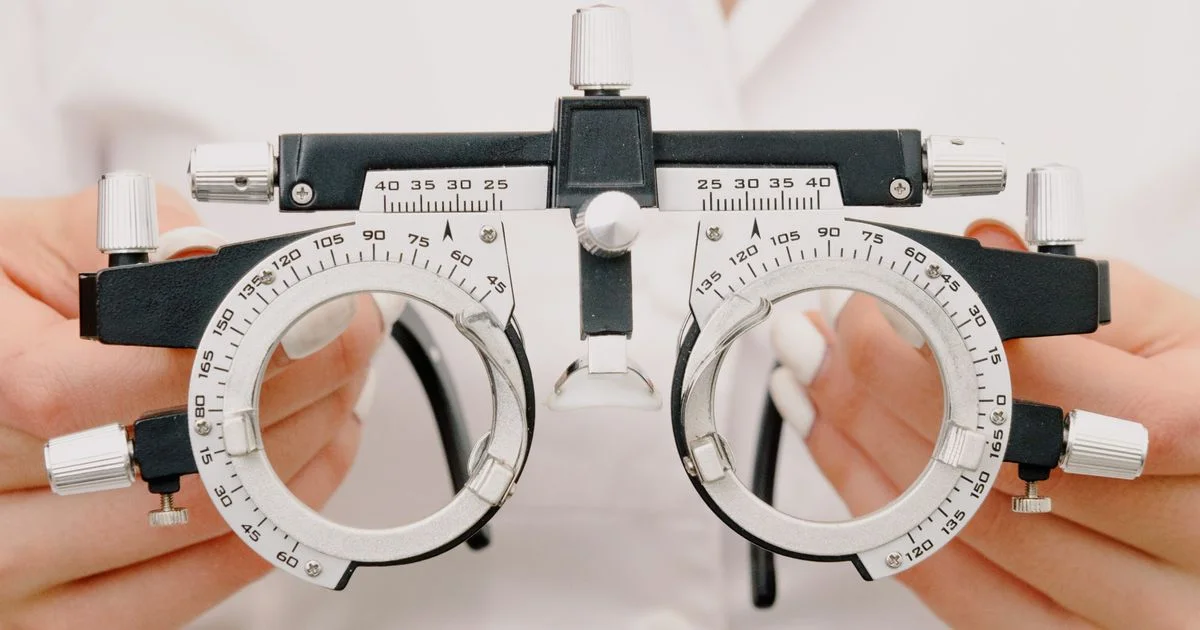
The glasses themselves arrive in a case about the size of a sunglasses pouch. Almost everything that makes them usable in your own house arrives in a different box, on a different invoice. That gap is the whole reason cheap smart AR glasses under $300 look like a bargain next to a monitor and often are not.
This is an independent editorial review. We are not affiliated with any brand mentioned, and no brand reviewed or approved this article.
Pricing cheap smart AR glasses under $300 line by line
At the time of writing, one maker’s US store lists its entry pair at a sale price of $199.00 against a regular price of $249.00, a step-up pair at $249.00 against $399.00, an officially refurbished version of that step-up pair at $199.00 against $299.00, and the newest model in the budget band at $299.00 against $359.00. Those are glasses only. They are display panels with speakers in the arms, and they need something to show.
Three line items decide what the real total looks like:
- The host device. A phone, handheld or laptop that can send video out of its USB-C port. If yours cannot, the glasses are an ornament.
- The adapter or hub. The same store lists a hub accessory at $39.99, and a separate compute unit starting at $199.00 for people whose phone will not do the job.
- The prescription insert, if you wear glasses. More on that below, because it is the line item that surprises people most.
Add a hub to the cheapest pair and you are already past the halfway mark to the next model up. Add a prescription insert as well and the under-$300 band stops being a band.
You can check current options here:
Check on Amazon See on Walmart
The screen you already own is the cheaper alternative
There is no free tier here, so the honest comparison is against hardware already in the house. A laptop display, a tablet propped on a tray table, or a television in the room you are sitting in all cost nothing more today. None of them is private, and none of them is as portable, and that is genuinely what the money buys. But a pair of display glasses does not add resolution: the panel count is fixed, and a larger apparent image is the same pixels spread wider.
Two cheaper routes are worth pricing before the new box:
- An officially refurbished unit from the maker’s own store. In the listing above it is priced level with the entry model while being the better panel.
- The previous generation at its clearance price, which is usually what the crossed-out numbers in a budget listing actually represent.
What a smart AR glasses price USA listing does not include
A smart AR glasses price USA listing is a price for the eyewear, not for the setup. The host-device requirement is the one that quietly disqualifies buyers, because a USB-C port that charges a phone does not necessarily carry video. That is worth checking on your own device before anything is ordered, the same way you would check a port before buying a dock. If you want the longer version of how a port decides a purchase, our note on what thin laptops cost you later covers the same trade in a different product.

Counted honestly, is smart AR glasses worth it depends on your eyes
For anyone who wears glasses, the real question of is smart AR glasses worth it is settled by a custom lens order rather than by the panel. Display glasses sit too close to the face to wear over ordinary frames, so the fix is a prescription insert clipped inside them.
Two makers publish what that costs and what it demands. One lists inserts for its current models at a sale price starting at $49.90 against a regular price of $149.90, offers 1.6 and 1.67 index lenses with an optional blue-light coating, and says custom lenses are “made within 1-4 business days” with “Delivery in 10 business days.” Another lists a prescription lens frame with lenses at $79, and a frame on its own at $19 marked down from $29, with the note that “Custom prescription lenses need a little extra production time” and about two to five business days before shipping.
Both ask for the same four things: sphere, cylinder, axis where there is astigmatism, and pupillary distance. The second maker publishes its working ranges plainly, accepting sphere from -16.00 to +12.00, cylinder from -6.00 to +6.00, axis from 0 to 180, and pupillary distance from 46 to 80mm, which is a little under 1.8 inches to a little over 3.1 inches.
The measurement the free document may not carry
Getting the prescription itself should cost nothing extra. The Federal Trade Commission’s Eyeglass Rule, 16 CFR Part 456, requires an eye doctor to “provide to the patient one copy of the patient’s prescription immediately after the refractive eye examination is completed,” and bars the practitioner from charging “any fee in addition to the ophthalmologist’s or optometrist’s refractive eye examination fee as a condition to releasing the prescription.” The agency’s own guidance for practices puts it more bluntly: “You can’t require patients to pay an extra fee, or buy eyeglasses or contact lenses, in exchange for the prescription.” Since 2024 a practice that also sells eyeglasses has to ask patients to confirm in writing that they received the prescription, and keep that record for at least three years.
Here is the catch worth knowing before you order. The rule defines a prescription as “the written specifications for lenses for eyeglasses which are derived from a refractive eye examination, including all of the information specified by State law,” so what appears on the sheet follows your state’s requirements. Pupillary distance is not guaranteed to be on it, and one of the insert sellers above tells buyers to ask their optometrist for it when it is missing. Ask at the appointment. It is free then and awkward later.
And the insert cannot be sent back
Both sellers say so in writing. One states that “customized products are non-returnable except for quality issues.” The other says that “As customized Prescription Lenses are made specifically for you, they are not eligible for returns or exchanges,” on a store that otherwise accepts returns “within 30 days of delivery for eligible Products.” So the glasses are returnable and the lenses inside them are not. A transposed cylinder value is yours to keep.
What you get at each tier
| Tier | What the money buys | What you still have to supply | Who it actually suits |
|---|---|---|---|
| Entry, including maker-refurbished stock | A display-only pair, speakers in the arms, basic brightness and tilt adjustment | A host device with video out, an adapter in many cases, inserts if you wear glasses | Someone with a recent phone or handheld who wants a private screen for travel |
| Mid | A brighter panel, more display modes, better fit hardware, on-board adjustment | Still a host device; adapters less often | Daily use at a desk or on a commute, where comfort decides whether it gets worn |
| Premium, including bundles with a compute unit | The screen plus something to drive it, so nothing else is needed | Little, which is the point | Someone whose phone cannot send video and who would otherwise buy an adapter and a hub anyway |
The pattern is the one value shoppers meet everywhere: the cheapest row leaves the most unfinished, and the premium row is partly a bundle discount rather than a better product.
Reading the best budget smart AR glasses deals 2026 crossed-out number
Listings in the best budget smart AR glasses deals 2026 bracket lean hard on a struck-through regular price. On the store surveyed for this piece, the gap between sale and regular ran from about twelve percent on the newest budget model to roughly thirty-eight percent on the older step-up pair, and the officially refurbished unit was discounted against a regular price of its own rather than against the new model’s. A sale price is the least durable number on any product page, so treat the two figures here as a snapshot taken on the day this was written and check the current ones yourself.
The more useful reading is this: a deep discount on a two-generation-old pair usually means the maker is clearing it, and clearance stock is exactly where accessory support thins out first. Price the adapter and the insert for that specific model before the glasses, not after.
Where the money is genuinely wasted
- Buying the glasses before testing the port. The single most expensive mistake in this category costs the whole purchase, and the test is free.
- Paying for the premium panel to fix a comfort problem. Nose pads, arm length and weight distribution decide whether a pair gets worn. Brightness does not.
- Ordering the insert the same day as the glasses. Wear them over contact lenses or without correction first, confirm the fit is tolerable, then order the non-returnable part.
- A second pair of inserts for a second user. Two prescriptions means two custom orders, and that is often more than the price difference to a second set of glasses.
- Blue-light coating as a default upgrade. It is an inexpensive add-on here, but it is still an add-on being sold against a worry rather than a measurement.
Frequently Asked Questions
These are the questions that decide whether the budget band works out, rather than the ones about specifications.
Will any phone with USB-C work?
No. The port has to be able to send a video signal, not just power and data, and plenty of budget and mid-range phones cannot. Check your specific model before ordering, because this is the failure that cannot be fixed with an accessory on some devices.
Can I wear my own glasses underneath?
Generally not with any comfort. The display sits close to the eye and the arms are shaped to rest against the temples, which is why both makers sell inserts rather than suggesting you keep your frames on.
Is a refurbished pair from the maker a bad idea?
Not on the evidence of the listings. An officially refurbished step-up pair was priced level with a new entry pair on the store surveyed here, which makes it the better panel for the same outlay. Read the warranty term attached to the refurbished listing rather than assuming it matches new stock.
How long should I expect to wait for prescription lenses?
Longer than the glasses. One maker states one to four business days to make them and ten business days to deliver; the other asks for roughly two to five business days before shipping. Order them when you are sure, not when you are impatient.
Bottom line
The under-$300 band buys a real product, and it buys only the part that goes on your face. Price the port test, the adapter and the insert first, and the pair that looks expensive on the page is quite often the cheaper finished setup.


1 Comment
Comments are closed.