

A home coffee setup can cost less than a month of café visits or more than a used car, and the difference in the cup is much smaller than the difference in the receipt. The best coffee brewing gadgets at home are the few that fix something measurable — grind consistency, water temperature, and the ratio of coffee to water — while the rest are conveniences you pay for once and notice rarely. Here is where the money actually goes.
Key Takeaways
- A burr grinder changes the cup more than any brewer you can put next to it.
- Brew temperature and time are the two variables that separate good coffee from bitter or sour coffee, and both are cheap to control.
- A kitchen scale is the least exciting purchase in this category and one of the two or three that matter most.
- Built-in grinders, pressurized portafilters, and pod systems are where convenience quietly costs you flavor or money over time.
- Cost per cup at home beats a café almost immediately — but only if the gear gets used daily, which is the real test of a purchase.
What the best coffee brewing gadgets at home are actually worth
The short answer: buy a burr grinder, a way to control water temperature, and a scale, in that order — then pick whatever brewer suits your morning. Everything on a coffee counter is trying to control the same three things: how evenly the coffee is ground, how hot the water is when it hits the grounds, and how long the two stay in contact. Gadgets that improve those are worth paying for. Gadgets that only automate them are a comfort purchase.
The grinder is the purchase that changes the cup
A burr grinder mills coffee to a uniform size. A blade grinder chops it into a mix of dust and boulders, and that unevenness is what ruins the cup: the fine particles over-extract into bitterness while the large ones under-extract and taste thin, and you drink both at once. With a uniform grind, every particle gives up its flavor at the same rate, and the result tastes cleaner and sweeter without changing anything else.
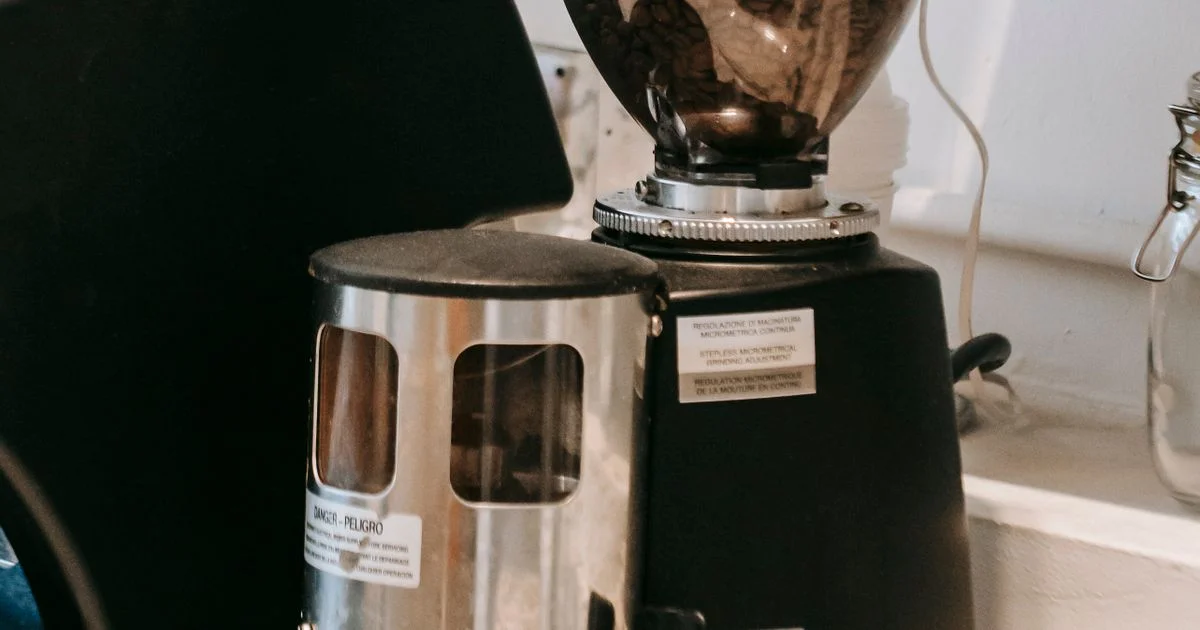
This holds across every method — drip, pour over, French press, and espresso alike — which is why upgrading a grinder beats upgrading a brewer at almost any budget. A hand grinder with steel burrs costs a fraction of an electric one and grinds just as evenly; what you pay for with an electric model is speed and not having to crank it before you are awake.
What you get at each tier
Entry-level
A hand burr grinder, a French press or a simple cone dripper, and a kitchen scale. No electricity beyond the kettle, nothing to break, and coffee that is already better than most drip machines produce. The cost is your time and a little arm work each morning.
Mid-range
An electric burr grinder, a variable-temperature gooseneck kettle, and either a certified drip machine or a pour-over setup. This is the tier where the gear stops asking anything of you and starts being repeatable. For most households it is also the last upgrade that is clearly audible in the cup.
Premium
Precision electric kettles that hold a target temperature to within a degree, stepless grinders, and espresso machines with real pressure and temperature control. Everything here is about consistency and speed rather than a ceiling on quality. If you make several drinks a day, that consistency is worth something. If you make one, it is mostly furniture.
Temperature and ratio: the cheapest quality you can buy
The Specialty Coffee Association’s Golden Cup standard is a useful yardstick because it puts numbers on what “good” means. A certified brewer has to brew between 195°F and 205°F and finish extraction in four to eight minutes, using roughly 55 grams of coffee per liter of water — about a 1:18 ratio. The target is a brew with total dissolved solids between 1.15% and 1.35%, drawn from extracting 18% to 22% of the dry coffee’s mass.
You do not need to measure any of that at home. What matters is the implication: two of the three variables in that standard cost almost nothing to control. A scale fixes your ratio permanently, and a thermometer or a variable-temperature kettle fixes your temperature. That is why an SCA certification on a drip machine is a meaningful label — it means the hardware holds its temperature through the brew and wets the coffee bed evenly, which is exactly what cheap machines fail to do.

Features that cost a lot and change little
- Built-in grinders on drip machines. You are usually buying a mediocre grinder welded to a machine you cannot upgrade separately, and when one part fails you replace both.
- Pressurized portafilters on entry espresso machines. They create crema artificially so that almost any grind “works,” which conveniently hides the fact that the grinder is not up to espresso.
- App connectivity and brew scheduling. Pleasant, and completely separate from how the coffee tastes.
- Premium precision kettles for occasional brewers. The jump from a plain kettle to a variable-temperature one is the big one; the jump from there to single-degree accuracy is for people brewing several times a day.
Where cheap coffee gear genuinely costs you
Three shortcuts are worth naming. A blade grinder is the first: it is the cheapest item on the counter and the one that caps how good every other purchase can be. An unstable drip machine is the second — if the water never reaches the low end of that 195°F to 205°F window, no bean or brewer will fix the sour, flat result. The third is a pod system, which looks inexpensive at the checkout and then charges you per cup forever while removing the grind variable you were supposed to be controlling.
A brewing gadgets comparison for real mornings
A useful brewing gadgets comparison ranks methods by what they ask of you rather than by which makes the “best” coffee, because the method you will actually use every day is the one that wins.
| Method | Best for | Gear it really needs | Trade-off |
|---|---|---|---|
| French press | Beginners, full-bodied coffee, no fuss | Burr grinder, kettle, scale | Sediment in the cup; needs a coarse, even grind |
| Pour over | Clean, bright cups and hands-on brewing | Gooseneck kettle, dripper, filters, scale | Technique matters; slowest to learn |
| Automatic drip | Households, multiple cups, mornings in a hurry | Certified machine, burr grinder | Uncertified machines often brew too cool |
| AeroPress-style press | One cup, travel, quick cleanup | Burr grinder, kettle | Single serving only |
| Espresso | Milk drinks and short, intense shots | Espresso-capable grinder, real pressure | By far the most expensive and least forgiving path |
What a coffee gadgets review usually leaves out
Most coffee gadgets for home review roundups spend their space on brewers and skip the kettle, and the kettle is where a lot of pour-over frustration lives. A gooseneck spout pours a thin, controlled stream — roughly 100 to 150 milliliters per ten seconds, against 300 or more from a standard kettle — and lets you aim to within about an inch, so the water soaks the bed evenly instead of digging a channel through it.
Temperature is the other omission. Water in a plain stovetop kettle falls by roughly 5°F every 30 seconds once it leaves the heat, which is why a slow, careful first pour with a basic kettle can end up brewing cooler than you think. A variable-temperature electric kettle removes that whole problem, and it is the single biggest quality jump in the kettle category.
The best coffee gear for 2026 on a real budget
Assembling the best coffee gear for 2026 is less about new products than about buying in the right order and stopping when the returns flatten out:
- Buy a burr grinder — hand-cranked if the budget is tight, since the burrs matter and the motor does not.
- Add a kitchen scale, which locks in your coffee-to-water ratio for good.
- Get temperature under control with a variable-temperature kettle or a thermometer.
- Pick the brewer that matches your mornings, not the one with the best reviews.
- Buy fresher beans before you buy any further equipment; at this point they are the cheapest upgrade left.
Cost per cup, honestly
Home brewing beats café prices quickly, and the math is simple: the gear is a one-time cost spread across every cup you make, while a café charges full price every single time. A modest setup used once a day pays for itself in weeks rather than months. The catch is the same as with any kitchen gadget — an espresso machine used twice a month has a terrible cost per cup, no matter how good it is, and a hand grinder used every morning has an excellent one. Buy for the routine you actually have.
Frequently Asked Questions
These come up whenever someone tries to work out where the first upgrade should go.
Is a burr grinder really worth it over a blade grinder?
Yes, and it is the clearest yes in the category. A blade grinder produces dust and boulders in the same batch, so part of your coffee over-extracts while the rest under-extracts. No brewer can undo that.
Do I need a gooseneck kettle?
For pour over, effectively yes — the slow, aimable stream is most of the technique. For French press, drip, or a press-style brewer, a plain kettle is fine and the money is better spent on the grinder.
What does SCA certification on a coffee maker mean?
It means the machine has been tested to brew in the 195°F to 205°F range, complete extraction within four to eight minutes, and distribute water evenly over the grounds. It is a reasonable shortcut for judging a drip machine you cannot test yourself.
Where should someone with a small budget start?
A hand burr grinder, a scale, and a French press or cone dripper. That trio costs less than many single-purpose machines and produces better coffee than most of them.
The bottom line
Grind consistency, water temperature, and a fixed ratio are what separate a good cup from a bad one, and all three can be bought cheaply and permanently. Spend there first, choose a brewer that fits your morning rather than your aspirations, and let the premium tier wait until daily use makes consistency worth paying for.


