

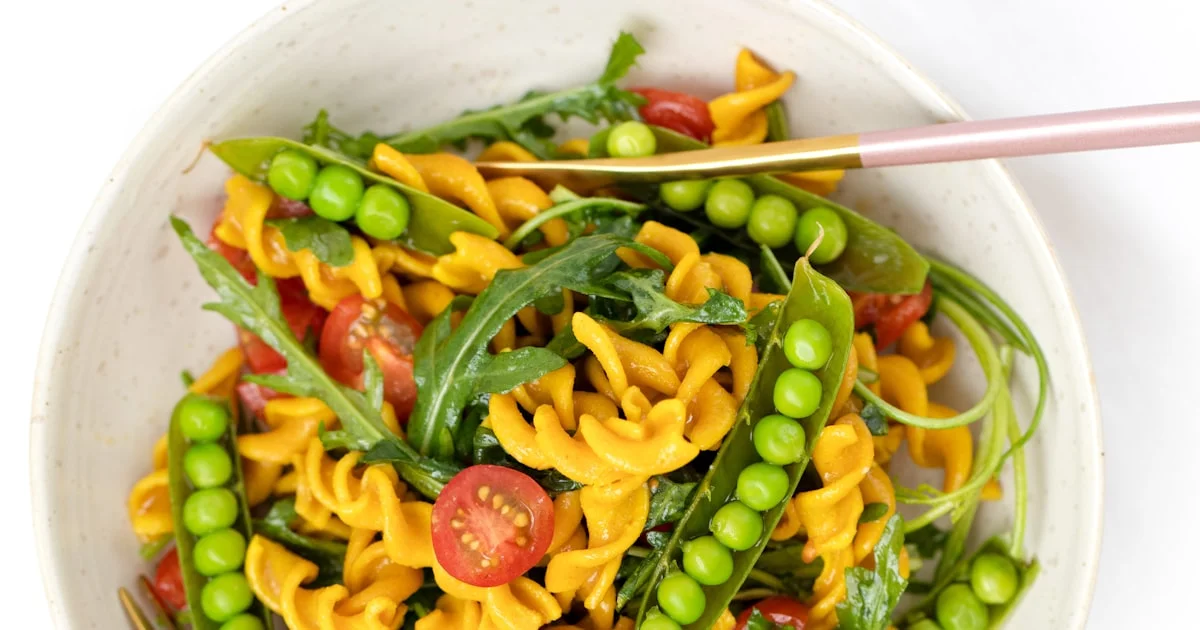
Switching how you eat is easier when you know what to prioritize first instead of trying to overhaul everything at once. A good plant based diet for beginners guide focuses on three things: getting enough protein, covering the nutrients that are easy to miss, and building meals you’ll actually want to eat again. This guide walks through all three in plain terms, without assuming you already know your way around a health food aisle.
Key Takeaways
- Beans, lentils, tofu, tempeh, and edamame are the easiest whole-food proteins to build meals around.
- You don’t need to eat “complete” proteins at every meal — variety across the day covers all the amino acids you need.
- Vitamin B12 doesn’t occur naturally in plant foods, so a supplement or fortified food is necessary on a fully plant-based diet.
- Pairing iron-rich plant foods with vitamin C helps your body absorb more of the iron.
- Weight loss on a plant-based diet still comes down to balanced portions and whole foods, not just cutting out meat and dairy.
What a Plant Based Diet for Beginners Guide Should Cover First
The short answer: a solid plant based diet for beginners guide starts with protein and a short list of nutrients worth watching, not with a long list of foods to avoid. Most people who struggle with a plant-based diet aren’t eating too much sugar or too many carbs — they’re simply not replacing the protein and nutrients that meat and dairy used to provide. Once a few reliable protein sources and a couple of supplement habits are in place, the rest of the diet is just building meals around vegetables, whole grains, and healthy fats, the same way anyone else eats well.
Best Plant Based Protein Sources to Build Meals Around
These are the best plant based protein sources to keep on hand, because they’re versatile, affordable, and easy to cook without special equipment.
- Lentils and beans: cheap, high in fiber and protein, and work in soups, salads, and grain bowls.
- Tofu and tempeh: both made from soybeans, they absorb marinades well and hold up to grilling, baking, or stir-frying.
- Edamame: a quick, whole-soybean snack or salad addition that needs almost no prep.
- Quinoa: one of the few plant foods that contains all nine essential amino acids on its own.
- Nuts, seeds, and nut butters: good for protein and healthy fats, though they’re calorie-dense, so portion size matters.
Rotating a few of these through the week is usually enough to hit your protein needs without tracking every gram.

Getting Enough Iron, B12, and Other Nutrients
A few nutrients need extra attention on a plant-based diet because they’re either less available in plant foods or missing from them entirely.
Vitamin B12
B12 mainly comes from animal products, so anyone eating a fully plant-based diet needs a B12 supplement or B12-fortified foods like plant milks and some cereals. This one isn’t optional — it’s the nutrient doctors flag most often for long-term vegans.
Iron
Plant-based iron (non-heme iron) is absorbed less efficiently than the iron in meat. Eating iron-rich foods like lentils, spinach, and fortified cereals alongside a source of vitamin C, such as citrus or bell peppers, helps your body absorb more of it.
Omega-3s, Calcium, and Zinc
Flaxseed, chia seeds, and walnuts provide plant-based omega-3s. Calcium shows up in fortified plant milks, tofu made with calcium sulfate, and leafy greens. Zinc is found in beans, nuts, and whole grains, though it’s worth including a variety of these regularly.
Vegan Meal Plan for Weight Loss: Building Balanced Plates
A vegan meal plan for weight loss works the same way any balanced meal plan does — it just swaps in plant-based proteins and fats instead of animal ones. The easiest approach is building each plate around four parts:
- A protein source, like beans, tofu, or lentils, to keep you full.
- A whole grain or starchy vegetable, like brown rice, quinoa, or sweet potato, for steady energy.
- A generous portion of non-starchy vegetables for fiber and volume without many calories.
- A small amount of healthy fat, like avocado, olive oil, or nuts, for flavor and satiety.
Weight loss still comes down to eating fewer calories than you burn, so leaning on whole foods over heavily processed plant-based snacks and meat substitutes makes it easier to stay in that range without feeling hungry.
Plant Based Nutrition Tips for Your First Two Weeks
These plant based nutrition tips are aimed at the early adjustment period, when most people either overcomplicate things or under-eat by accident.
- Plan three or four go-to meals you already like and can make without a recipe, so you’re never stuck deciding what to eat.
- Batch-cook a pot of beans, lentils, or grains at the start of the week to save time on busy days.
- Keep a B12 supplement visible on the counter so it’s easy to remember daily.
- Don’t fear healthy fats like nuts, seeds, and avocado — they help meals feel satisfying, not just “light.”
- Track how you feel for the first two weeks, and adjust portion sizes if you notice low energy or frequent hunger.
Common Mistakes Beginners Make
Most early struggles with a plant-based diet come from a handful of repeatable mistakes rather than the diet itself being difficult.
- Relying too heavily on processed vegan substitutes instead of whole foods like beans and vegetables.
- Skipping a B12 supplement because symptoms of deficiency can take months or years to show up.
- Not eating enough overall, since plant foods are often less calorie-dense than the meals they’re replacing.
- Assuming every meal needs a “complete” protein, when eating a variety of protein sources across the day covers the same need.
Comparison Table: Plant Protein Sources at a Glance
| Protein Source | Best For | Notes |
|---|---|---|
| Lentils and Beans | Everyday meals, soups, bowls | Budget-friendly, high in fiber |
| Tofu and Tempeh | Stir-fries, grilling, baking | Absorbs marinades and seasoning well |
| Edamame | Quick snacks, salad add-ins | Minimal prep required |
| Quinoa | Grain bowls, salads | Contains all essential amino acids |
| Nuts and Seeds | Snacks, toppings, nut butters | Calorie-dense, watch portion size |
Frequently Asked Questions
Here are answers to a few questions beginners ask most often when starting out.
Is a plant-based diet the same as vegan?
Not exactly. “Plant-based” usually describes an eating style focused mostly on plant foods, while vegan is a stricter, all-or-nothing exclusion of all animal products, including in non-food items. Many people use the terms loosely, but they’re not identical.
Do I need to take supplements on a plant-based diet?
A B12 supplement is strongly recommended for anyone eating mostly or fully plant-based. Some people also benefit from an algae-based omega-3 or vitamin D supplement, depending on their overall diet and sun exposure.
Can I get enough protein without tracking macros?
Yes, for most people. Including a protein source like beans, tofu, or lentils at each meal is usually enough without needing to count grams, unless you have a specific athletic or medical goal.
Will I lose weight automatically by going plant-based?
Not automatically. Weight loss still depends on overall calorie intake. A plant-based diet can make it easier to eat more volume for fewer calories, but processed vegan snacks and meat substitutes can just as easily lead to weight gain.
Final Thoughts on Starting a Plant Based Diet
Getting started is mostly about stocking a few reliable proteins, covering B12 and iron, and building meals around whole foods rather than substitutes. Keep it simple for the first few weeks, and the rest of the diet tends to fall into place on its own.


4 Comments
Comments are closed.