

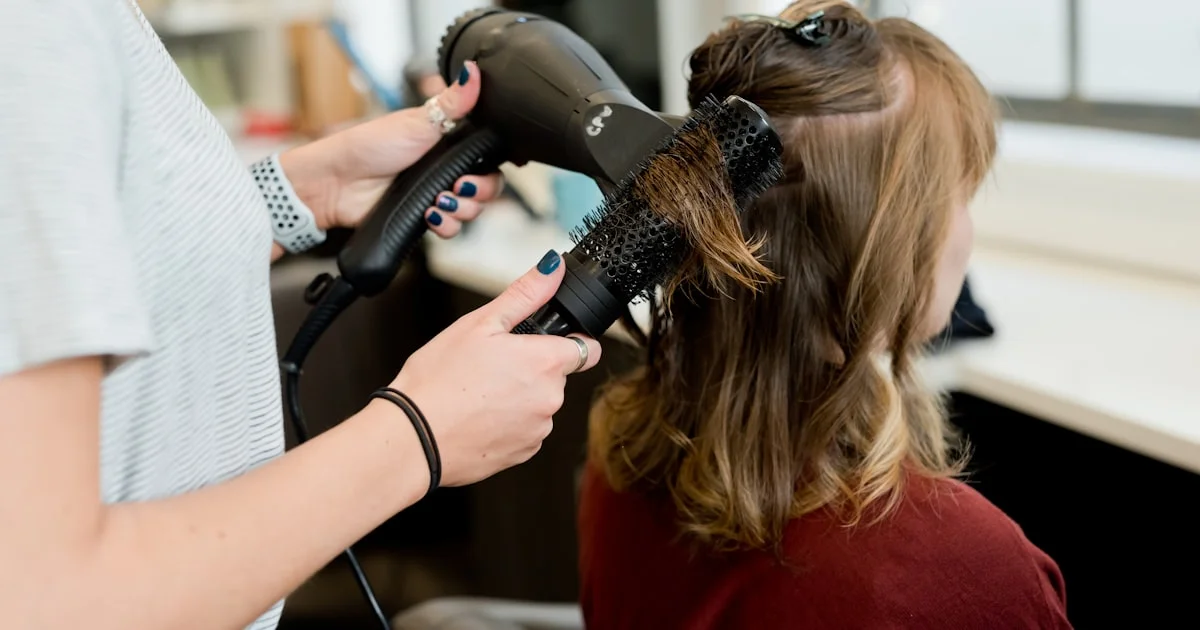
The best hot air brush for styling turns a two-step blowout into one quick pass, giving you smooth, bouncy hair without wrestling a separate dryer and round brush. If you have ever burned your arm holding both tools at once, this all-in-one gadget solves that problem in minutes. This guide breaks down what makes a great pick, who it works best for, and how it stacks up against a traditional blow dryer.
Key Takeaways
- A hot air brush combines airflow and a round barrel in one tool, so you get volume and smoothness in a single pass.
- Look for at least two heat settings, a cool-shot button, and a barrel size that matches your hair length.
- Beginners should start with a larger barrel and medium heat to avoid tangles and overheating fine strands.
- A hot air brush is faster for everyday styling, but a blow dryer plus separate brush still wins for sleek, pin-straight looks.
- Ceramic or tourmaline coatings reduce frizz and static better than plain plastic or metal bristles.
What Is the Best Hot Air Brush for Styling?
The short answer: the best hot air brush for styling is one with adjustable heat, a barrel that suits your hair length, and enough airflow to dry hair while it shapes each section. Most people do well with a 2-inch barrel for shoulder-length hair or a 1.5-inch barrel for shorter cuts, paired with at least two heat and speed settings.
These brushes work by pulling hair around a rotating or fixed barrel while warm air flows through vents in the bristles. That combination cuts styling time because you are not switching between a dryer and a separate brush. For most home users, the goal is not the fanciest model on the shelf. It is the one that matches your hair type, your routine, and how much time you actually have in the morning.
Volumizing Hot Air Brush Review: What to Look For
A good volumizing hot air brush lifts hair at the root while smoothing the length, which is the main reason people switch from a standard blow dryer. When you compare models, pay attention to the shape and spacing of the bristles, not just the wattage printed on the box.
Here is what tends to separate a strong volumizing brush from a mediocre one:
- Mixed bristle types (nylon plus boar or tufted bristles) that grip hair without pulling
- A vented barrel that lets warm air reach the roots, not just the surface
- A lightweight body, since you will hold it at an angle for several minutes per section
- A rounded, tapered tip that makes it easier to work close to the scalp

If your hair tends to fall flat by midday, prioritize a brush with strong root lift over one that promises extra shine. Volume fades faster than smoothness, so the tool that holds lift longer will save you more touch-ups during the day.
Best Hair Styler for Beginners: Getting Started Right
Choosing the best hair styler for beginners comes down to forgiveness. A beginner-friendly hot air brush should be easy to grip, slow to overheat hair, and simple to maneuver without a mirror trick or a second hand.
Follow these steps the first few times you use one, so you build muscle memory without frying your ends:
- Start with towel-dried, not soaking wet, hair to cut down on total styling time.
- Section your hair into four parts and clip away everything except the section you are working on.
- Set the brush to medium heat and slide it slowly from root to tip, rotating gently as you go.
- Hold each section for a two or three second cool shot before releasing it.
- Move to the next section only after the previous one has cooled and set.
Common Beginner Mistakes
New users often rush through sections or crank the heat too high on the first try. Slower passes at a moderate temperature almost always beat one fast, scorching pass, and they are much easier on damaged or color-treated hair.
Hot Air Brush vs Blow Dryer: Which One Wins?
The debate over hot air brush vs blow dryer usually comes down to speed versus precision. A hot air brush saves time because it dries and styles at once, while a separate blow dryer paired with a round brush gives you more control over tension and direction.
Neither tool is universally better. It depends on the look you want and how much time you have.
| Factor | Hot Air Brush | Blow Dryer + Round Brush |
|---|---|---|
| Best for | Quick, everyday volume and smoothness | Sleek, salon-precise blowouts |
| Learning curve | Low, good for beginners | Higher, needs practice with tension |
| Speed | Faster, one tool and one pass | Slower, requires two tools |
| Control over shape | Good for waves and body | Best for pin-straight or tight curls |
| Travel friendliness | Single compact tool | Bulkier, two items to pack |
How to Choose the Right Hot Air Brush for Your Hair Type
Hair type changes almost everything about which brush will actually work for you, from barrel size to bristle stiffness.
Fine or Thin Hair
Look for lower heat settings and a smaller barrel. Fine hair heats up fast and can dry out if you linger on one section too long, so shorter passes at lower heat protect the strands.
Thick or Coarse Hair
A larger barrel and higher airflow help push through dense sections faster. Stiffer, mixed bristles grip coarse hair better and reduce the number of passes needed per section.
Curly or Wavy Hair
A vented barrel with strong airflow but gentle bristle tension works best, since the goal is usually to smooth frizz without stripping natural curl pattern entirely.
Styling Tips for Smooth, Long-Lasting Volume
A few habits make any hot air brush perform better, regardless of the model you choose.
- Apply a lightweight heat protectant before you start, every time.
- Work in small sections, no wider than about two inches, for even results.
- Point the brush downward along the hair shaft to smooth the outer layer.
- Finish each section with a blast of cool air to lock the shape in place.
- Clean the bristles weekly to keep airflow and grip strong.
Skipping the cool-shot step is one of the most common reasons volume falls flat by early afternoon. That last few seconds of cool air is what sets the shape, much like setting a curl with a cold curling iron.
Frequently Asked Questions
These are the questions people ask most often before buying or first using a hot air brush.
Is a hot air brush better than a regular round brush and dryer?
It depends on your priorities. A hot air brush is faster and easier for daily volume, while a separate round brush and dryer offer more precise control for sleek or highly structured styles.
Can a hot air brush damage my hair?
Any heat tool can cause damage if used at high heat for too long on one section. Using a heat protectant, moderate settings, and slow, even passes keeps damage risk low.
How long does it take to style hair with a hot air brush?
Most people finish shoulder-length hair in ten to fifteen minutes once they get comfortable with sectioning and pacing, which is often faster than a full blow dryer and round brush routine.
What barrel size should a beginner start with?
A 2-inch barrel is a safe starting point for most medium to long hair lengths. It is large enough to be forgiving and small enough to still create noticeable volume and shape.
Final Thoughts
The right hot air brush comes down to matching barrel size and heat settings to your hair type and skill level. Start with moderate heat, protect your strands, and let the cool-shot step do its job for volume that actually lasts through the day.


1 Comment
Comments are closed.