

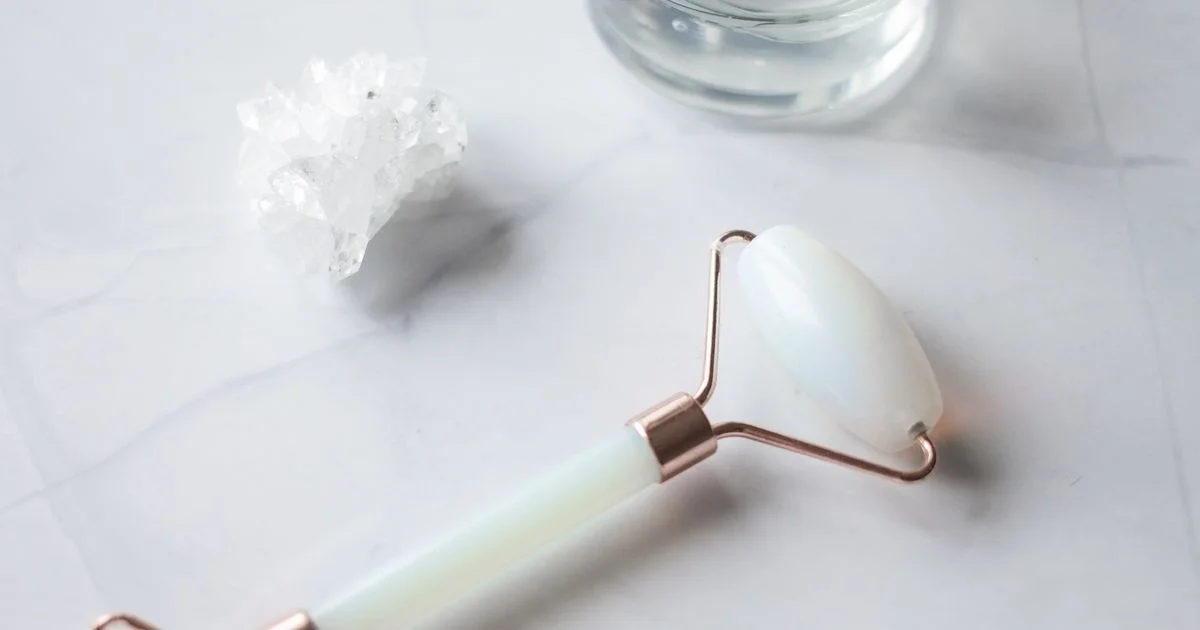
Puffiness, a soft jawline, and tired-looking skin are usually about circulation and muscle tone, not just age. A best face sculpting tool gives your hands a mechanical assist — rolling, pressing, or gently stimulating the muscles under your skin so your face looks more defined after a few weeks of regular use. This guide breaks down the real types on the market, what actually separates a good one from a gimmick, and how to pick one that fits your routine and budget.
Key Takeaways
- Manual tools (jade rollers, gua sha stones) are cheap, gentle, and good for daily circulation and product absorption, but they won’t visibly change muscle tone on their own.
- Microcurrent devices use a low-level electrical current to temporarily firm facial muscles; results are usually noticeable within a few hours and fade without consistent use.
- LED and vibration-based tools mostly support skin texture and puffiness rather than true “sculpting,” so match the tool to the goal, not just the marketing copy.
- Consistency matters more than the specific gadget — three short sessions a week beats one long session a month.
- Skip any tool that promises permanent contouring after a single use; that claim is a red flag regardless of price.
Best Face Sculpting Tool: The Short Answer
The short answer: there is no single best face sculpting tool for everyone, because “sculpting” covers three different jobs — temporary muscle toning, lymphatic drainage and de-puffing, and skin-texture support. A face sculpting tool that’s great for one job is often mediocre at the others. If your main complaint is puffiness and tension, a manual roller or gua sha stone is enough. If you want a visible, same-day lift before an event, a microcurrent device is the closer match. Most people get the best long-term value from pairing a cheap manual tool for daily use with an occasional microcurrent session.
Types of Face Sculpting Tools to Consider
Before comparing specific products, it helps to know what category you’re actually shopping in. These tools fall into a few clear buckets, and each one works on the face differently.
Manual Rollers and Gua Sha Stones
Jade and rose quartz rollers, plus flat gua sha stones, are the simplest and cheapest option. You glide them along your jawline, cheekbones, and neck to encourage lymphatic drainage and relax tense facial muscles. They don’t run on batteries, they’re gentle enough for daily use, and they double as a way to help serum or moisturizer absorb evenly.
Microcurrent and LED Devices
Microcurrent tools send a very low electrical current through small metal probes, which temporarily tightens the muscles just under the skin — the effect many people describe as an “instant lift.” LED devices work differently, using red or near-infrared light to support collagen production over weeks rather than producing an immediate visible change.
- Manual tools: lowest cost, zero learning curve, best for daily maintenance
- Microcurrent tools: higher cost, visible short-term effect, needs consistent use to build on results
- LED panels and masks: mid-range cost, supports skin quality more than jaw definition

Jawline Toning Device Comparison
When people search specifically for a jawline toning device comparison, they usually mean microcurrent tools, since manual rollers don’t claim to tone muscle directly. Jawline-focused devices typically come in two shapes: a handheld wand you drag along the jaw, or a mask/strap that covers the lower face and neck at once. Wands give you more control over pressure and angle, which matters most along the jaw and under the chin where skin is thinner. Mask-style devices are more hands-free but harder to target precisely, so they suit people who want a passive, sit-back-and-relax session over active jaw work.
Facial Contour Gadget Honest Review: What Reviewers Actually Say
Look past the before-and-after marketing photos and the pattern across independent reviews is consistent: a facial contour gadget can produce a real, temporary tightening effect — visible for a few hours after a microcurrent session — but nothing sold at a consumer price point produces a permanent structural change. Reviewers who saw the best results used their device on a fixed schedule (most brands recommend 3 to 5 sessions a week) for at least four to six weeks before judging it. People who used a device once or twice and expected a dramatic, lasting difference were consistently disappointed. That gap between marketing and realistic expectations is the single biggest source of buyer’s remorse in this category.
Contouring Tool Buying Guide: What to Check Before You Buy
Once you know which category fits your goal, use this contouring tool buying guide checklist before adding anything to your cart:
- Confirm the tool matches your actual goal — de-puffing, temporary lift, or long-term skin support — rather than buying based on a viral video alone.
- Check the material against your skin sensitivity; stainless steel and natural stone are safe for nearly everyone, while some conductive gels used with microcurrent devices can irritate sensitive skin.
- Look for adjustable intensity settings on any electrical device, so you can start low and build up.
- Check the charging and maintenance requirements — some microcurrent devices need replacement conductive gel or pads, which adds an ongoing cost.
- Read the return policy. Skincare tools are personal, and a fair trial window matters more than a flashy unboxing.
How to Use a Face Sculpting Tool Safely
Whichever type you choose, technique matters as much as the tool itself. Always work upward and outward — from the center of the face toward the ears and down the neck — which follows the natural direction of lymphatic drainage. Use light pressure; more pressure does not mean better results and can leave marks or irritate the skin. Clean metal and stone tools after every use, and replace any device pads or gel per the manufacturer’s schedule to avoid skin reactions. If you have a skin condition, are pregnant, or have a pacemaker or other electrical implant, skip microcurrent devices and check with a doctor before starting any new facial tool routine.
Face Sculpting Tools at a Glance
| Tool type | Best for | Trade-offs |
|---|---|---|
| Jade roller / gua sha stone | Daily de-puffing, product absorption, relaxation | No dramatic muscle-toning effect on its own |
| Microcurrent wand | Same-day visible tightening for an event | Higher upfront cost; results fade without repeat use |
| Microcurrent mask/strap | Hands-free, passive sessions | Less precise than a handheld wand for jaw definition |
| LED light therapy tool | Skin texture and tone over weeks | Not designed for visible contouring or lift |
Frequently Asked Questions
A few questions come up constantly once people start comparing options, so here are straightforward answers.
Do face sculpting tools actually work?
Manual tools reliably help with puffiness and circulation, and microcurrent devices produce a real but temporary tightening effect that’s well documented. None of them permanently reshape the face the way marketing photos sometimes imply.
How often should I use a face sculpting tool?
Most manual tools are safe for daily use. Microcurrent devices typically work best at 3 to 5 sessions a week, based on the schedule most manufacturers recommend and reviewers report following for their best results.
Are microcurrent devices safe for sensitive skin?
Generally yes at low intensity settings, but always patch-test conductive gel first and start with the lowest setting available. Skip these devices entirely if you’re pregnant or have a pacemaker or other electrical implant.
Is a cheap gua sha stone as good as an expensive one?
For the manual-tool category, material and shape matter more than price. A well-shaped stainless steel or genuine stone tool from a budget brand works essentially the same as a premium one; the main difference at higher prices is usually packaging and brand name.
Conclusion
The right face sculpting tool depends on what you’re actually trying to fix — puffiness, a quick pre-event lift, or long-term skin support — more than which one has the most dramatic ad. Start with a low-cost manual tool to build the habit, and add a microcurrent device only once you know you’ll use it consistently.


5 Comments
Comments are closed.