

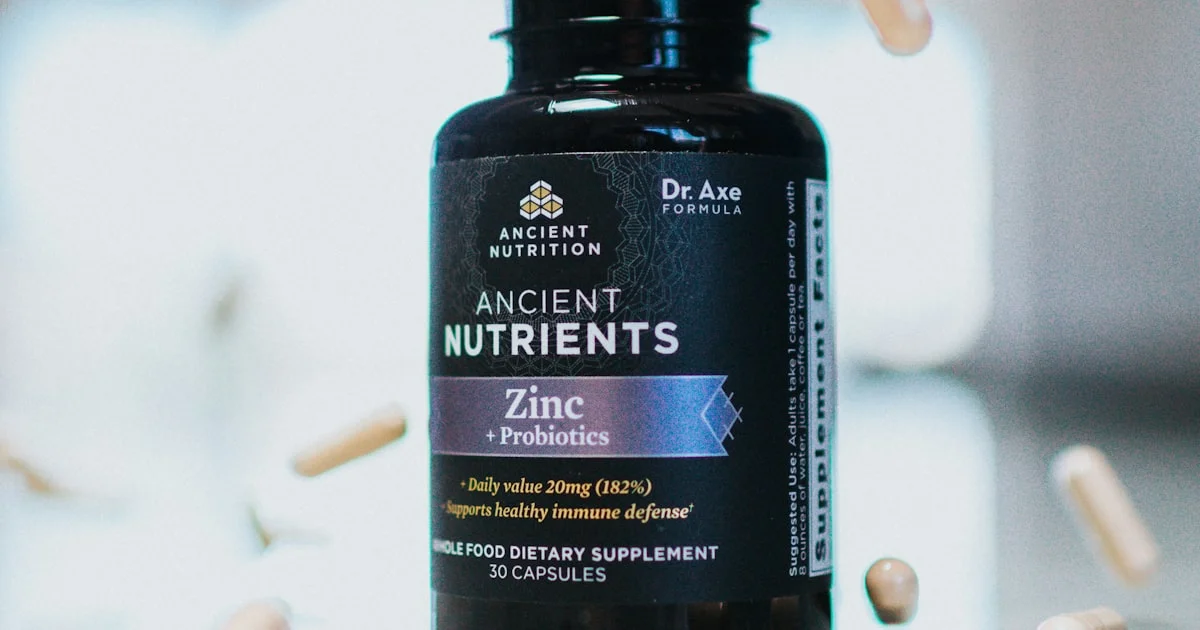
The best probiotic supplements for gut health can help settle bloating, support regular digestion, and back up the trillions of bacteria already living in your gut. With so many bottles on the shelf, though, picking the right one is not always simple. This guide breaks down what actually matters, plus the foods that work alongside any supplement you choose.
Key Takeaways
- Look for a probiotic with at least 1 to 10 billion CFU and two or three well-studied strains, not just a big number on the label.
- Refrigerated and shelf-stable probiotics can both work; what matters more is the strain and how it is packaged to survive stomach acid.
- A gut health foods list built around fermented foods and fiber does a lot of the same work as a supplement, often for less money.
- Digestive enzyme supplements and probiotics solve different problems, so check which one actually matches your symptoms.
- Prebiotic foods feed the good bacteria you already have, so pairing them with probiotics tends to work better than either alone.
Best Probiotic Supplements for Gut Health: What to Look For
The short answer: the best probiotic supplements for gut health are ones with a clear CFU (colony-forming unit) count, named strains backed by research, and a delivery method that survives your stomach acid. A flashy label is not enough. You want to see the exact strains listed, such as Lactobacillus rhamnosus or Bifidobacterium lactis, rather than a vague “proprietary blend.”
CFU count matters, but more is not automatically better. Many people do fine with 1 to 10 billion CFU per day, and some clinical research even used doses in that range. What matters just as much is whether the capsule is designed to survive stomach acid, since a probiotic that dies before it reaches your intestines will not do much good.
Capsules, Powders, or Gummies?
Format is mostly a matter of preference and consistency. A capsule you actually remember to take beats a powder that sits in the cabinet. The table below compares the common formats side by side.
| Format | Best For | Trade-Offs |
|---|---|---|
| Capsules | People who want a precise, easy-to-swallow daily dose | Some need refrigeration; harder to adjust dosage |
| Powders | Mixing into smoothies or for people who dislike pills | Taste can be chalky; easy to over- or under-measure |
| Gummies | Kids or adults who skip pills | Often lower CFU counts and added sugar |
| Fermented foods | Budget-conscious buyers who want food-first options | Strain and CFU counts are not standardized |
None of these formats is automatically “the best.” The right pick depends on your budget, your routine, and whether you can keep a refrigerated product cold.
Reading the Label Without Getting Overwhelmed
Labels can pack in a lot of marketing language, so it helps to know what to skim past. Words like “advanced,” “clinical strength,” or “doctor formulated” do not tell you much on their own. Instead, look for the strain names, the CFU count at the time of expiration (not just at manufacture), and a short, recognizable ingredient list. If a label buries the strain information or only lists a “proprietary probiotic blend,” that is usually a sign to keep browsing.
A Gut Health Foods List for Everyday Meals
A solid gut health foods list can do a surprising amount of the work a supplement does, and it costs less. Fermented foods naturally contain live bacteria, while fiber-rich foods feed the bacteria you already have. Rotating a few of these into your week is an easy place to start.
- Plain yogurt with live, active cultures
- Kefir, a fermented, drinkable dairy (or coconut milk kefir for a dairy-free option)
- Sauerkraut and kimchi, both fermented vegetables
- Miso and tempeh, fermented soy foods
- Kombucha, a fermented tea (check the sugar content on the label)

You do not need to eat all of these every day. Adding even one or two servings a few times a week is a reasonable, low-pressure way to support digestion without overhauling your diet.
Digestive Enzyme Supplements: Do You Need One Too?
Digestive enzyme supplements and probiotics are often confused, but they do different jobs. Probiotics add live bacteria to your gut. Digestive enzymes help your body break down food, specifically the proteins, fats, and carbohydrates in a meal, so nutrients can be absorbed properly.
Signs You Might Want to Ask About Enzymes
If you notice bloating right after eating, discomfort with dairy or beans, or a feeling of heaviness after large meals, digestive enzymes may be worth discussing with a doctor. They are not a substitute for a probiotic; some people benefit from taking both for different reasons. Timing matters too: enzymes are typically taken right before or with a meal, since they need to be present while food is actually being digested, while probiotics are usually taken on an empty stomach or with a light snack.
Common Enzyme Types
Enzyme blends often include a mix of the following, each targeting a different type of food:
- Amylase, which breaks down carbohydrates and starches
- Protease, which breaks down protein
- Lipase, which breaks down fats
- Lactase, which helps digest dairy sugar (lactose)
Best Prebiotic Foods for Gut Health
Probiotics get more attention, but the best prebiotic foods for gut health deserve equal credit. Prebiotics are a type of fiber that feed the good bacteria already living in your gut, which helps those bacteria thrive and multiply. Think of prebiotics as fertilizer for the garden that probiotics plant.
Here are some of the most accessible prebiotic foods to work into a weekly grocery list, roughly ranked by how easy they are to find and add to everyday meals:
- Garlic and onions, easy additions to almost any savory dish
- Bananas, especially slightly underripe ones
- Oats, a simple breakfast source of fiber
- Asparagus and leeks, good roasted or sauteed as a side
- Beans and lentils, which add both prebiotic fiber and protein
Pairing prebiotic foods with a probiotic supplement or fermented food is often more effective than relying on either one alone, since the fiber gives newly introduced bacteria something to feed on right away.
Frequently Asked Questions
Here are quick answers to the questions people ask most often about probiotic supplements and gut health.
How long does it take to notice a difference?
Many people report changes within two to four weeks of consistent use, though this varies by person and by the specific strain. Digestion tends to respond gradually, not overnight, so give any new routine a fair trial period before deciding it is not working.
Can I take a probiotic supplement every day?
Daily use is how most probiotic supplements are designed to be taken, and it is generally considered safe for healthy adults. That said, this article is general wellness information, not medical advice, so anyone with a health condition, a weakened immune system, or who is pregnant should check with a doctor before starting any new supplement.
Do I need both a probiotic and a digestive enzyme?
Not necessarily. Many people only need one or the other, depending on their symptoms. Bloating tied to specific foods often points toward enzymes, while general digestive support points toward probiotics. When in doubt, a conversation with a doctor or registered dietitian can help sort out which one fits your situation.
Will food alone give me the same benefits as a supplement?
For many people, a consistent gut health foods list covering fermented foods and fiber gets them most of the way there. Supplements can help fill gaps or deliver specific studied strains that are harder to get from food alone, but food is a reasonable starting point before spending money on a bottle.
Conclusion
Choosing among the best probiotic supplements for gut health does not have to be complicated once you know what to check: clear strains, a reasonable CFU count, and a format you will actually stick with. Pair that supplement with fermented and prebiotic foods, and you are covering your gut health from more than one angle. As always, this is general wellness information, so check with a doctor before starting anything new if you have an underlying health condition.


2 Comments
Comments are closed.